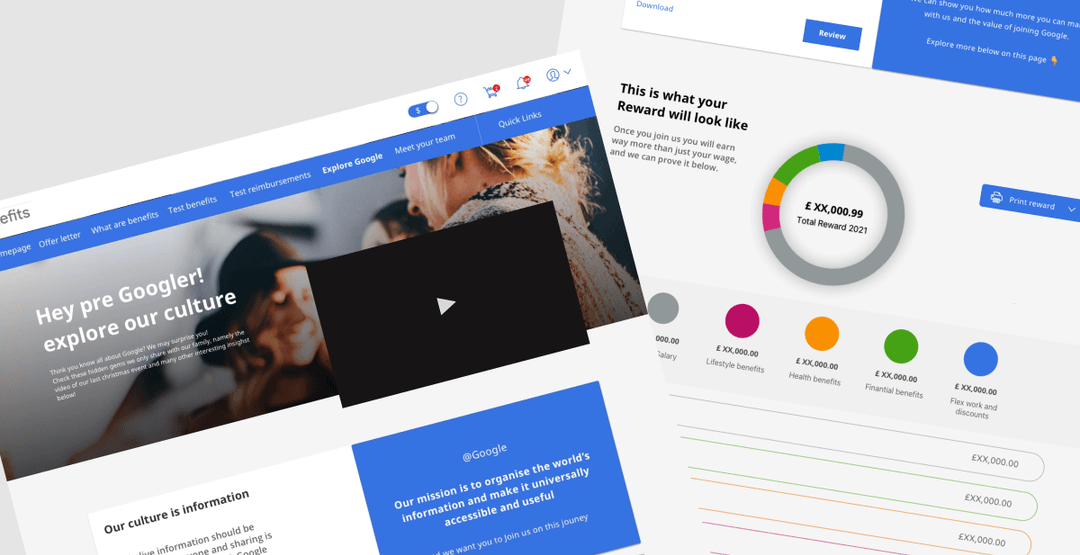
An awarded, coded prototype, born and validated within a single design sprint.
Won an innovation award, selected from 80 ideas submitted.
From idea to a validated, coded prototype, start to finish.
Attendees at the follow-up presentation on the design sprint process.
Project Overview
Project Overview
The user problem
Accepting a job offer, including its full benefits package, was traditionally a manual, offline process. Pre-hires had no way to explore the value of their package, their future team or company culture before joining, and the business had no digital touchpoint with talent during this critical window.
The business objective
Extend the existing benefits platform, built for current employees, to pre-hired employees: a dedicated digital experience that shows the value of the full package and lets candidates accept their offer online.
My role and scale of ownership
I generated the original idea, co-created it got it built during an internal innovation week, using the design sprint as a framework. I recruited and assembled the project team (BA, PM, tech), co-created the experience with input from multiple business experts, and led the effort end to end. Beyond the deliverable, I promoted a user-centred approach and the design sprint methodology across the wider business, showcasing the value of UX as a discipline within an agile development context.
How I got from insights to product value
Recruit & frame
Assembled a 6-person cross-functional squad (BA, PM, tech) and set the design sprint agenda, testing Miro as a fully remote collaboration tool.
Discover & define
Competitor analysis and "ask the experts" sessions with 10 HR specialists shaped the user scenarios and shortlisted the tasks to cover.
Ideate & prototype
Defined the IA, mapped the journey, ran a team-wide ideation session, then evolved the concept into high-fidelity wireframes.
Test & deliver
Guerrilla tested, refined and handed over specs to development, who coded a working prototype within the sprint.
Execution
Execution
Discovery and definition
"I wanted this to act as a beacon for the wider organisation, demonstrating the value of a design sprint within an agile development framework, and there's no better way to show the value of an approach than letting people try it themselves. "
The company ran an internal innovation competition to scout for ideas with significant business impact. Every employee had dedicated time to work on it, taking time off from business-as-usual tasks.
We had a short window to prove the idea could work, so I built a team fast and got everyone rowing in the same direction. I generated the idea and recruited team members to work on it, using a design sprint as a framework. The goal was to extend the company's offering into a pre-boarding experience: a pre-hire portal where candidates could review their offer letter, benefits, and team information in a persuasive way, helping them see the full value of the total reward before accepting. Since not everyone on the team had run a design sprint before, I led an onboarding session to walk through the framework and how each day would work.
Design sprint schedule
Schedule, adapted to fit around part-time availability across the week (one daily session, with a break on Thursdays).
Map
Introductions, discussing early-stage planning, understanding the problem, defining goals, mapping the challenge (who focuses on what, checkpoints, outputs), and aligning on to-do's.
Research
Asking the experts, analysing business insights, analysing user insights, competitor analysis, shortlisting use cases we can cover, and aligning on to-do's.
Ideate
Focusing on solutions, defining IA, reviewing competitors, ideation and sketching (in session or solo), critiquing each solution, shortlisting best options, recruiting testing participants, and aligning on to-do's.
Conceptualize
Creating a solution from the ideation inputs, defining a prototype plan (storyboard/wire flow), prototyping solutions (UX) and discussing feasibility with tech, and preparing testing by confirming the schedule, reviewing the prototype, and writing the interview script.
Test & wrap up
Testing the prototype, extracting conclusions, and sharing guerrilla testing insights with development for possible tweaks, then wrapping up and reviewing testing results with everyone involved and reviewing the final solution with iterations.
Mapping: collecting and analysing the data
Following the structure of the design sprint, we ran a competitor analysis within the sprint's short timeframe, gathered insights from business users through the "ask the experts" method, and analysed both business and user insights. From there, we shortlisted the use cases we could realistically cover during the sprint.
We ran 2 sessions with 10 experts from within the business (HR market and specialists), asking them about the state of play and the needs they saw related to this topic. This helped us understand the problem better: the current manual process, their needs, and existing documented user needs they had access to.
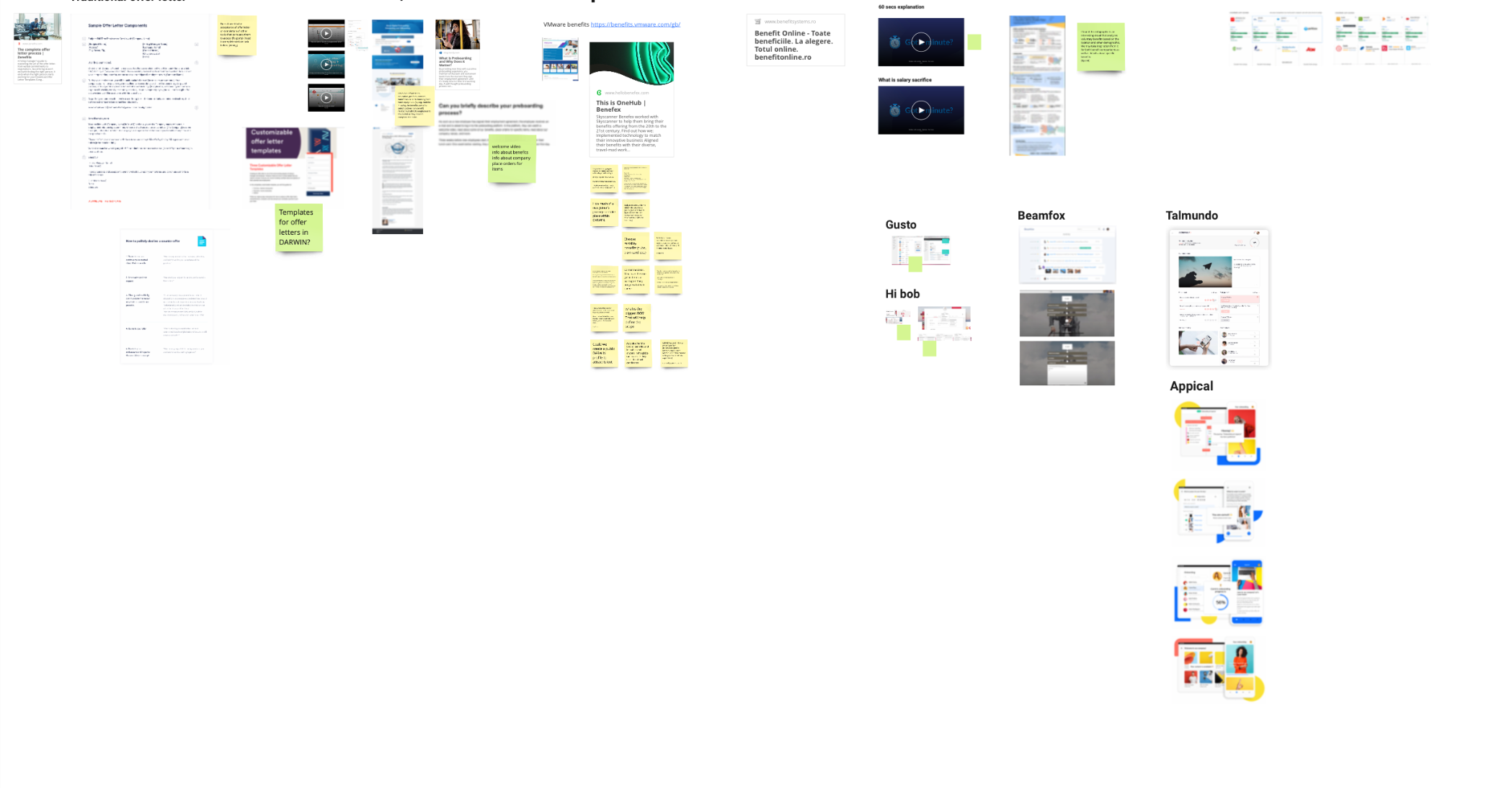
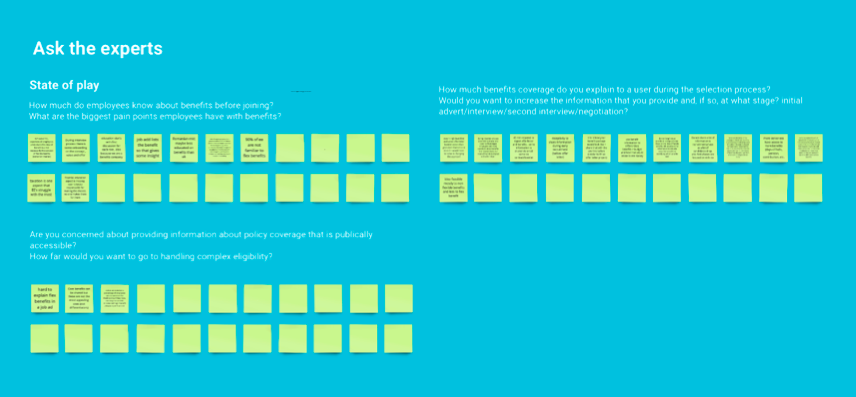
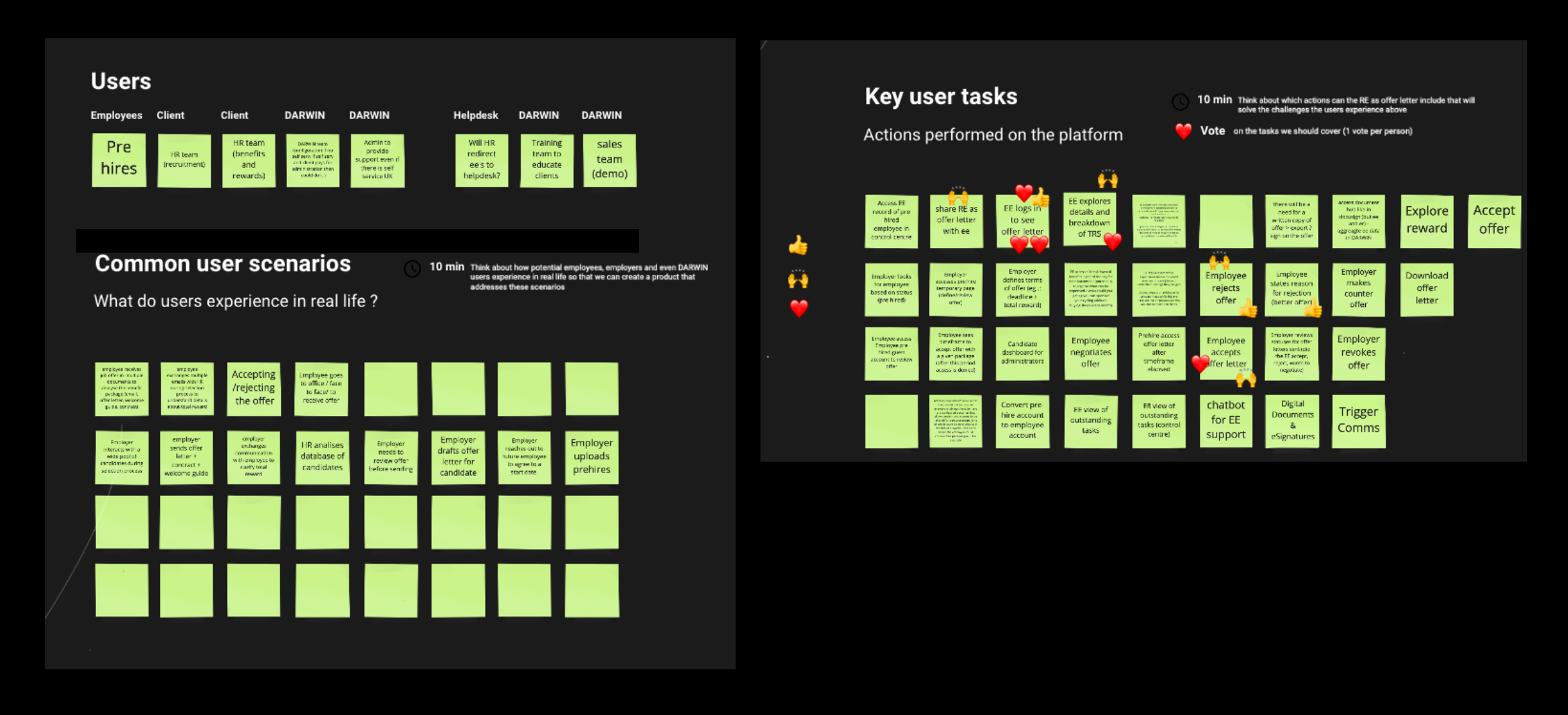
Outputs from ask the experts and competitor analysis
Based on the insights captured with the experts, the squad then moved on to identifying the users and the common user scenarios to cover, alongside key user tasks they would need to perform inside the platform. Given the weekly pace of the design sprint, we had to prioritise the main tasks to focus on.
We ran a fun exercise with emojis to identify the tasks we'd tackle before the end of the sprint. The tasks with the most emoji votes were the ones we put forward for the next phases.
The next step was done in partnership with the relevant stakeholders, who helped define the main user needs that end users would need fulfilled while using the platform.
Ideation and prototyping
"The information architecture had to work for every user task at once, not just the happy path we'd sketched first."
With the key user tasks in mind, we moved on to defining the information architecture for this section of the existing platform. Since this idea focused on a subset of features to add, we defined only the section of the IA relevant to this work, producing a site map alongside the customer journey and user flows.
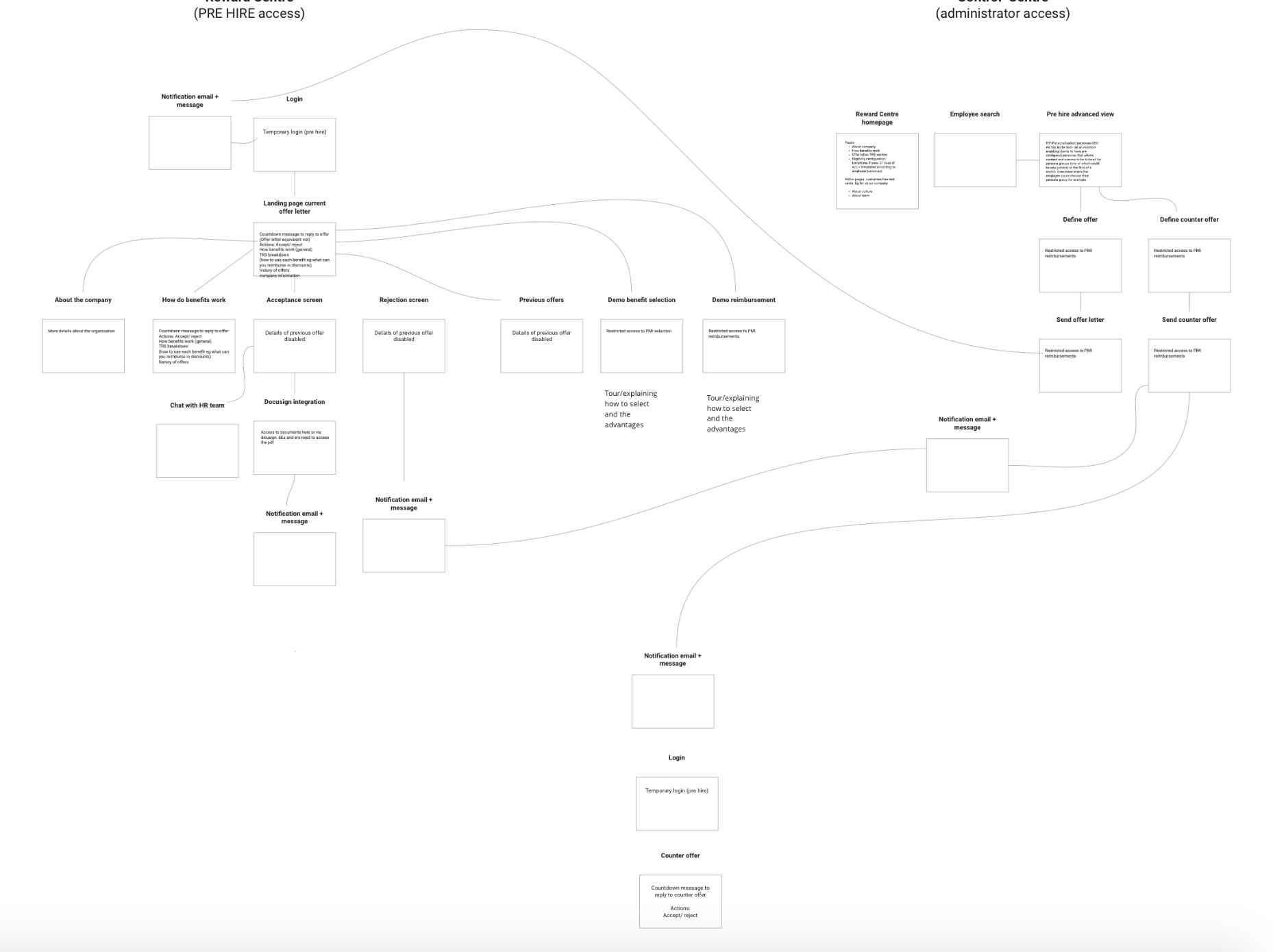
Information architecture
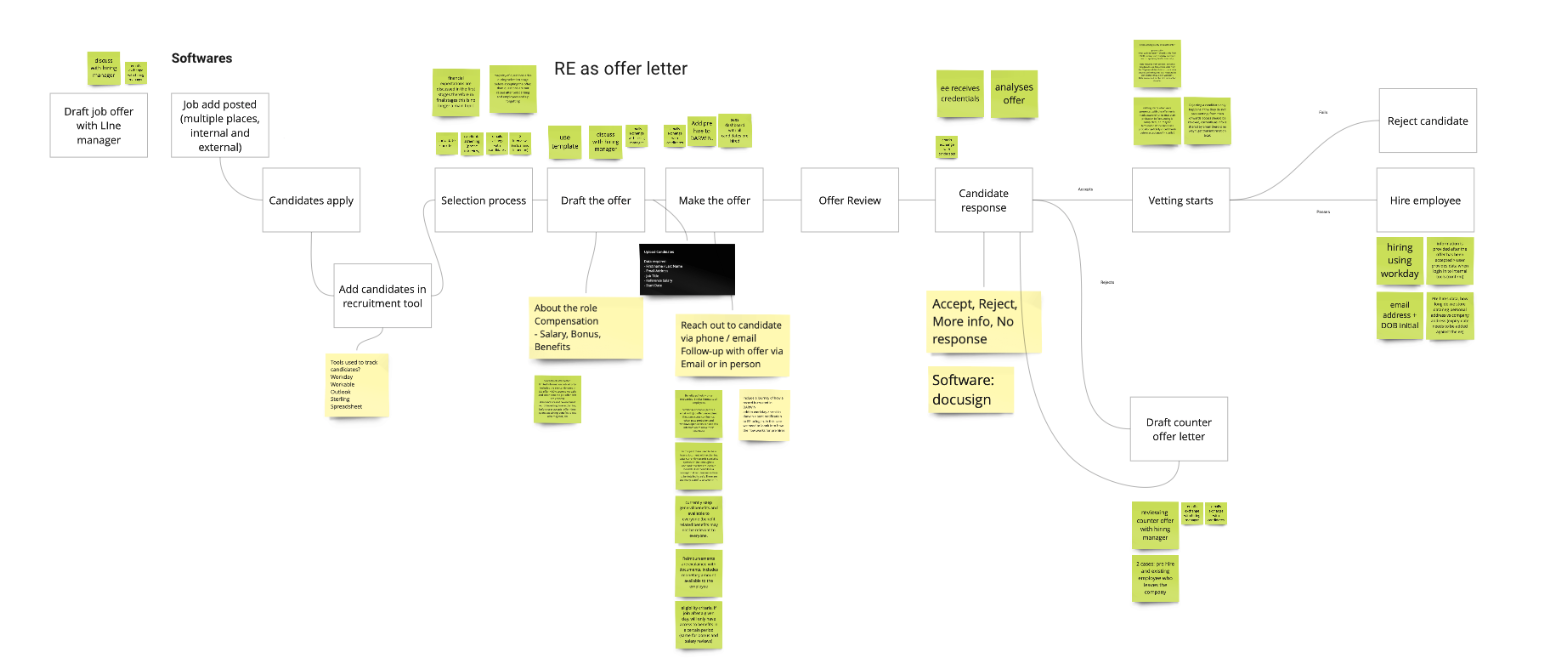
Customer journey
Generating concept ideas
Once the journey mapping was complete, the next step was the concept stage. We ran an ideation session with the whole team to define a direction for the concept, then defined a plan for the UX prototype based on the drafted screens and agreed with technology on which scenarios could realistically be coded before the end of the sprint.
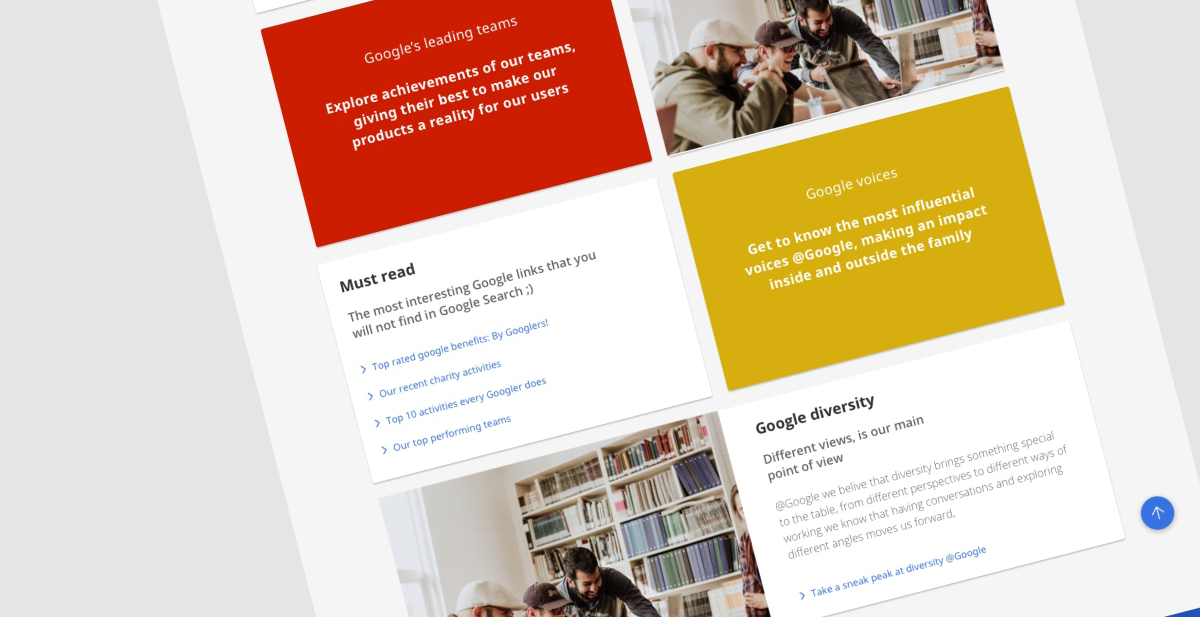
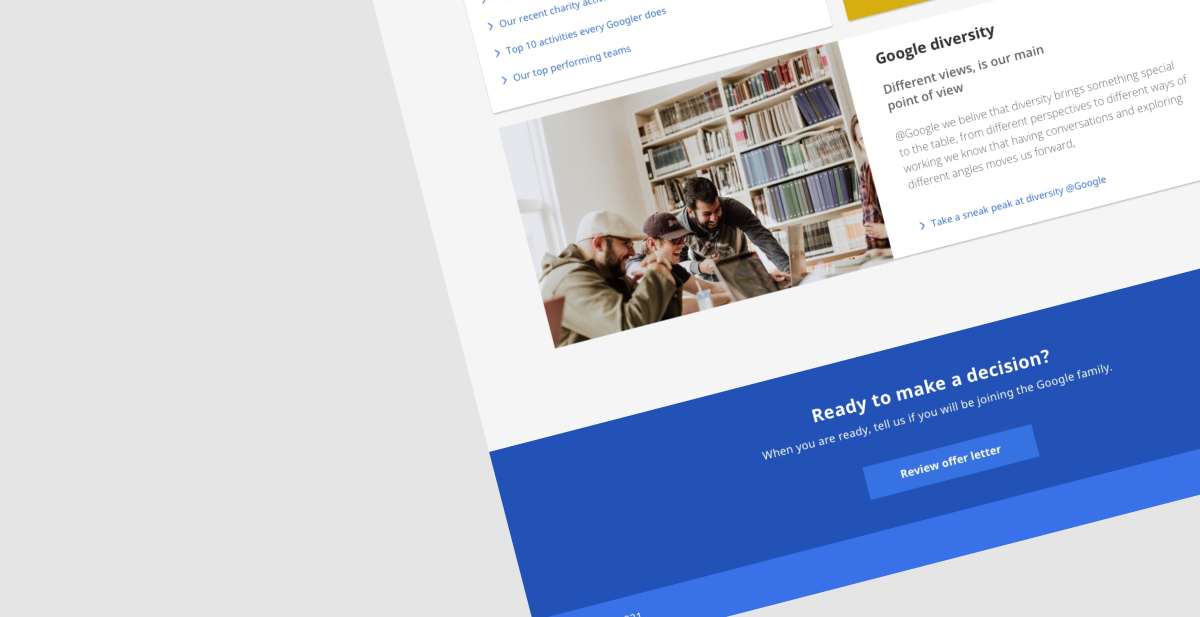
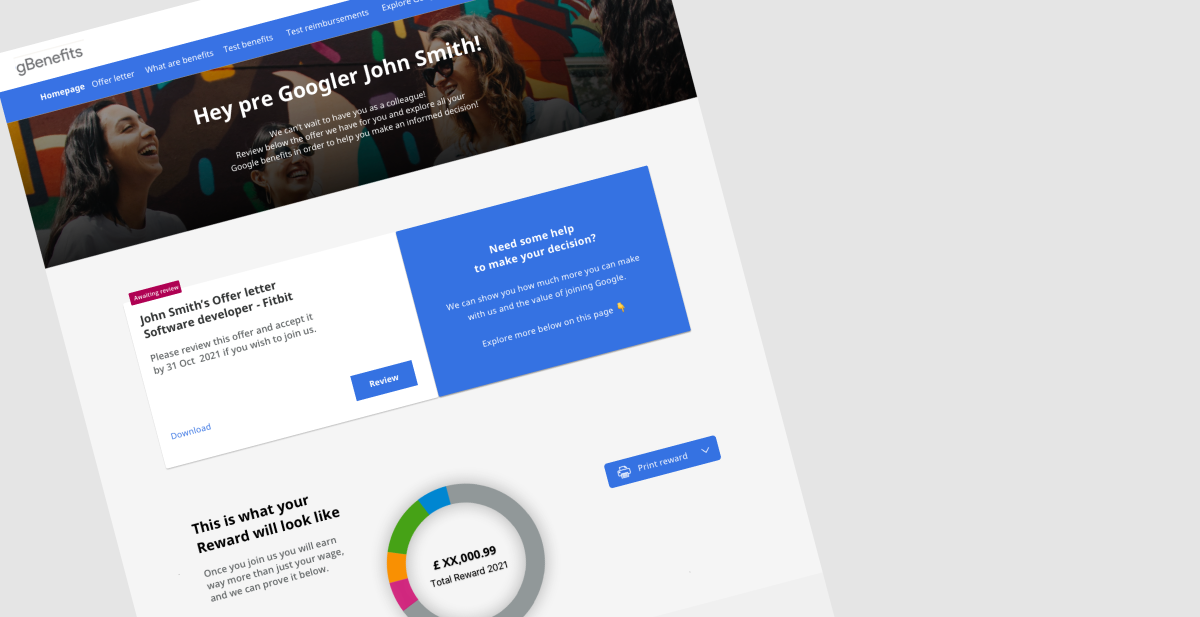
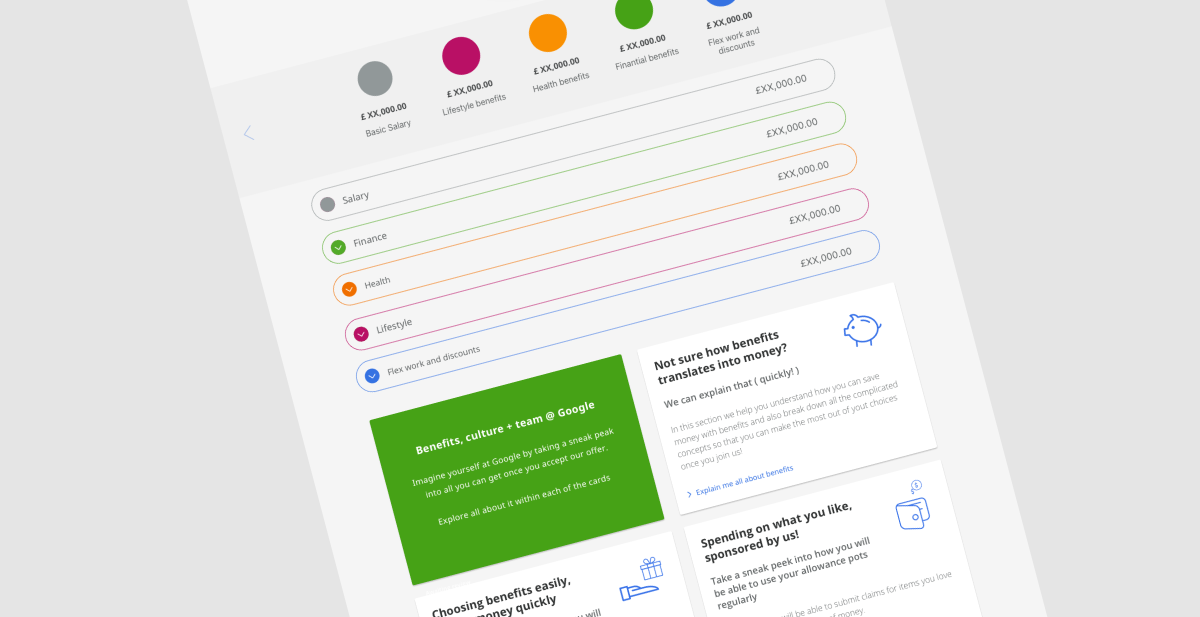
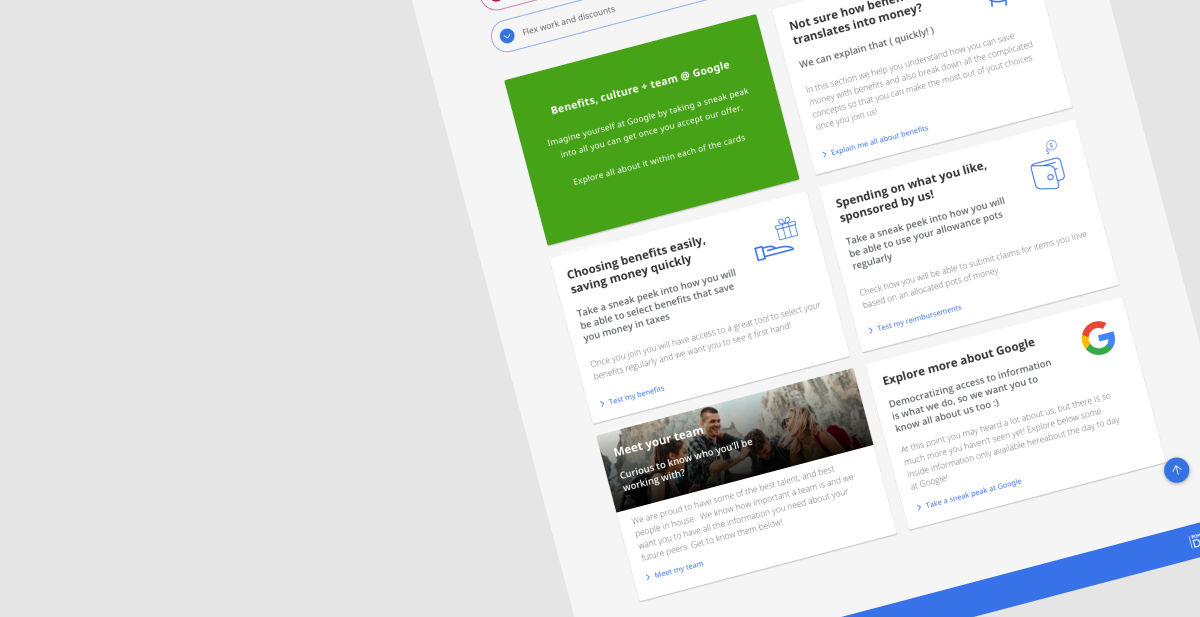
I analysed all submissions from the ideation session and combined them into low-fidelity wireframes, then moved these into high-fidelity wireframes. We aligned on a final version based on multiple insights from the team. After final agreement, I evolved these into high-fidelity wireframes to better convey the layout and affordance of elements on the page.
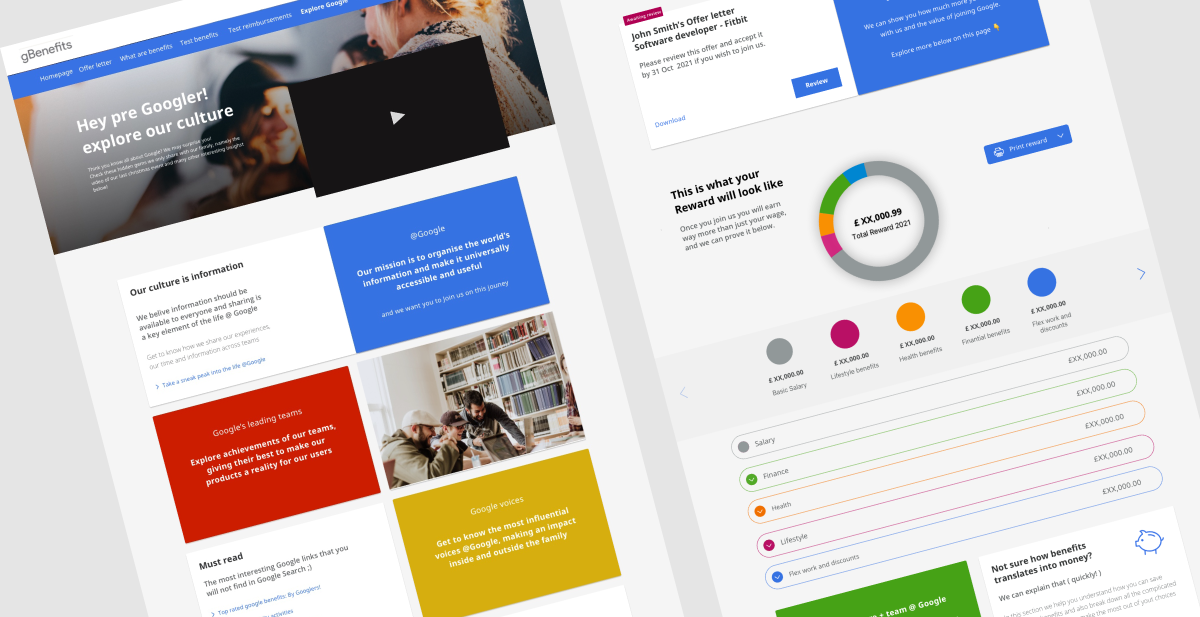
High-fidelity wireframes.
Testing and delivery
"Guerrilla testing let us catch confusion early, before it was baked into a single line of code."
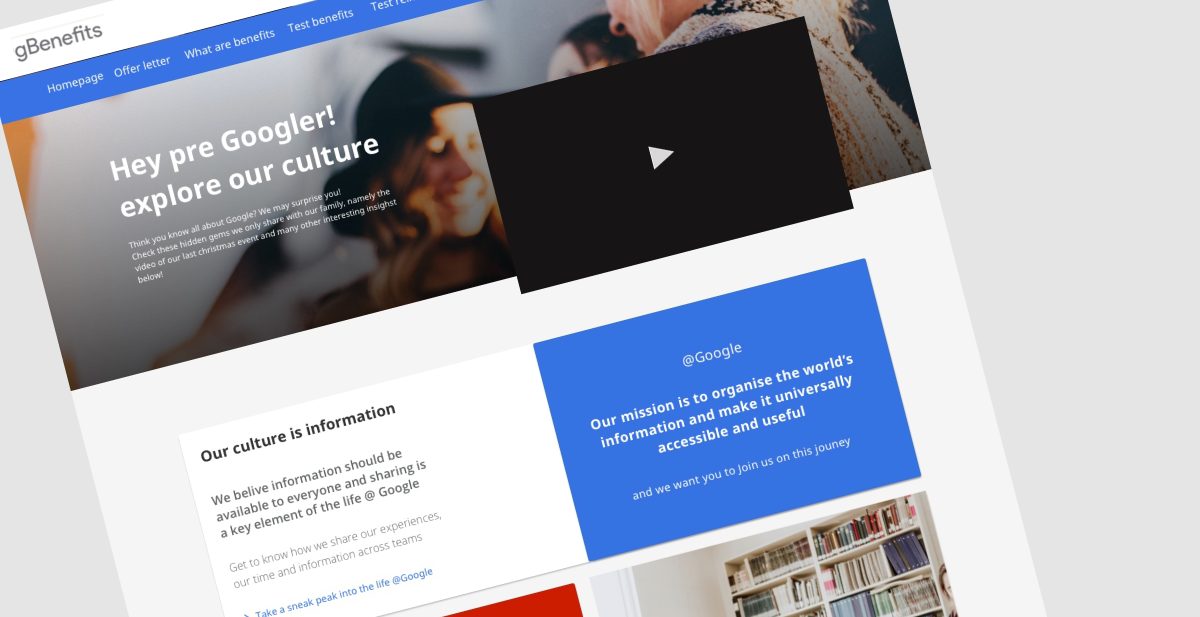
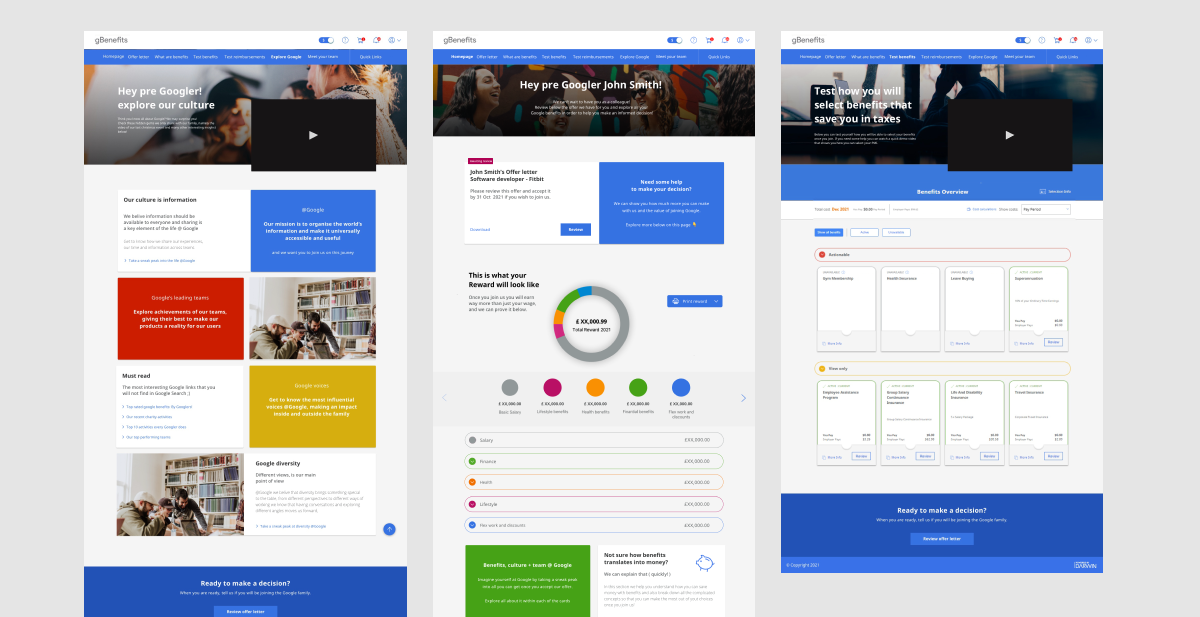
After drafting a prototype, I ran quick guerrilla testing sessions, asking internal participants to validate the initial concept, and made small iterations to the design (affordances, CTA placement, UX copy, etc.). I then elevated the wireframes to mockup stage, defining layout, typography and iconography following the existing design language and applying components from the design system to this responsive platform.
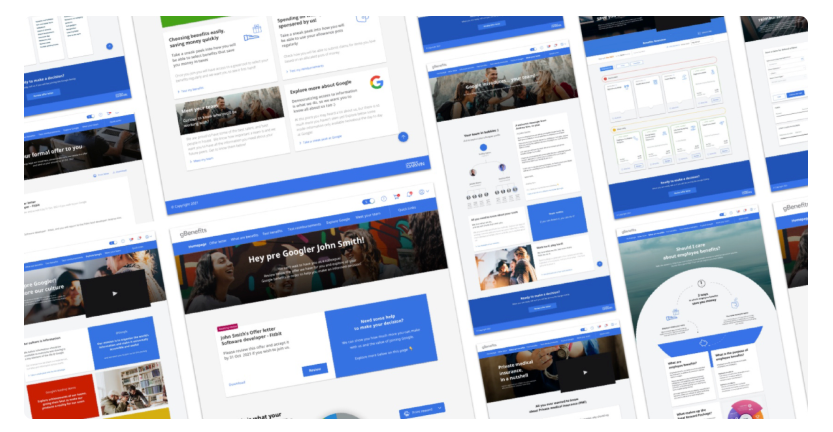
After this, I discussed and handed over the specs to the development team, who defined what was feasible to implement and at what level of fidelity, given the tight deadline of the design sprint. This stage moved from UX prototyping and guerrilla testing through to mockups, handover of both the UX prototype and UI specs to development, the team's own prototyping, and a final review of the coded implementation.
Final presentation
"It struck a chord right away, with the coded solution proof of how fast we could deliver."
After the demo was completed, we presented the idea to the wider business, in a formal session to an audience of 200 participants. It was very well received from the get-go, and the prototype was strong evidence of the impact of championing an agile, sprint-based approach with async collaboration tools: we could generate a compelling proposal, fast.
Results & Business Impact
Results & Business Impact
An award-winning idea, and a proof that a full sprint can ship coded, validated work.
This idea was recognised with an innovation award among 80 ideas submitted, and introduced the design sprint methodology to the wider business. It validated that a team could define, validate, draft and implement a coded prototype within the span of a single design sprint.
Won an innovation award, selected from 80 ideas submitted.
Cross-functional team members, working 100% remotely.
Attendees at the follow-up presentation on the design sprint process.
A digital moment that didn't exist before
Pre-hires gained a dedicated experience to see the value of their full benefit package, team and culture, and accept their offer online, replacing a process traditionally done offline.
Validated in days, not months
Guerrilla testing on the working prototype confirmed the concept landed with real users well before any formal investment decision was made.
"The idea was seen as an exciting extension of the product offering from the get-go."
A path to the roadmap
Winning the award opened the possibility for the idea to be developed by the business, added as an item to be assessed alongside other roadmap activities.
Design sprint methodology, adopted
The wider business gained awareness of the design sprint methodology, co-creation tools and their value in an agile approach, directly from having tried it themselves.
A 200-person follow-up talk
The reception was strong enough to generate a public follow-up presentation to 200 people, explaining in detail (including to technical teams) how the methodology helped us create a successful, working prototype in a single week.